Jacksonville treatment guide
Medical Weight Loss in Jacksonville: The Whole Journey, Not Just the Number
Losing weight is rarely a straight line, and the part most people never hear about is what happens along the way and afterward — the stubborn plateaus, the softer skin, the changes to your face. From Riverside to Ponte Vedra, this is a clear look at why weight loss stalls, what to expect as the pounds come off, and how supervised care helps you get there with more of yourself intact.
This page is about understanding the journey. When you are ready for the program itself, our team at Miami Vein & Wellness in Jacksonville is here to build a plan around you.
Talk through your goalsWhy weight loss is harder than willpower
If you have tracked every calorie, walked the St. Johns riverfront most mornings, and still watched the scale stop moving, the problem is usually biology, not effort. Your body actively defends a weight it has grown used to — appetite signaling, hormones, and metabolic factors all push back as you lose. A plateau is your body adapting, not a sign you have failed.
The same biology explains those areas that never seem to budge. The number of fat cells an adult carries is largely set in childhood and adolescence and stays remarkably constant through adult life — even after major weight loss. Dieting shrinks those fat cells but does not remove them, so a genetically determined pocket persists long after the rest of you has changed. That is why some spots resist diet and exercise no matter how disciplined you are, and it is one of the most common frustrations people bring to a consultation.
There is also a chapter of the story that gets glossed over: what happens after the weight is gone. Skin owes its firmness to a scaffold of collagen and elastin, and when that scaffold is stretched over a larger frame, it does not always recoil once the fat underneath is gone. After moderate loss it often retracts over twelve to twenty-four months; after very large or rapid loss, it may drape instead — most visibly along the jawline, neck, upper arms, and abdomen. Knowing this in advance lets you make smarter choices during the journey rather than being surprised by them at the end.
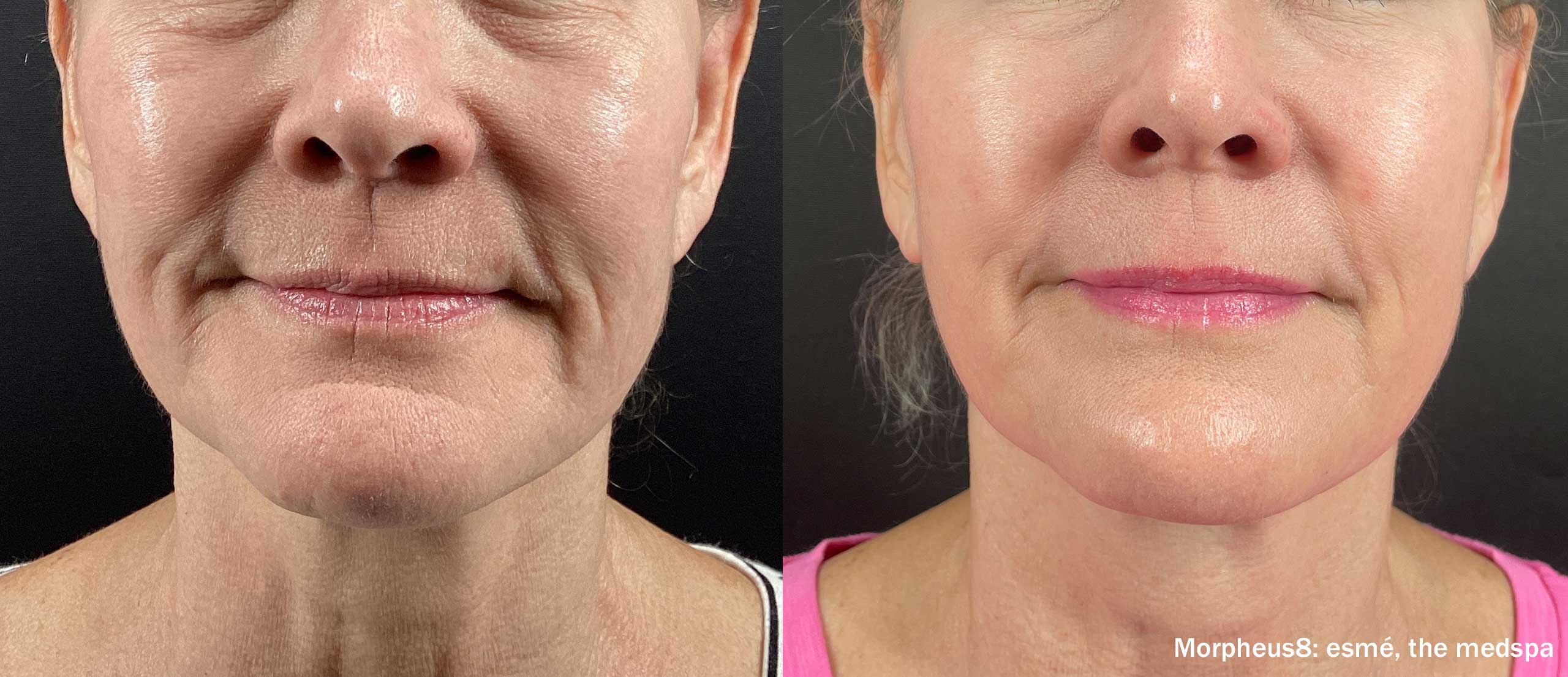
The face tells its own version of the same story. The fat pads that give cheeks their youthful fullness — and the temple pads that round out the upper face — deflate as you lose weight, and skin that was draped over a fuller face does not fully tighten back. The result is the gaunt, hollow look people call "Ozempic face": sunken cheeks, hollow temples, deeper folds, and softer facial skin. It is a consequence of fast fat loss, not a side effect of any medication — the same change follows bariatric surgery or crash dieting — and it tends to be more pronounced in older and postmenopausal adults, who carry less facial fat to begin with.
None of this is a reason to avoid losing weight; it is a reason to plan for the whole arc. Volume lost to fat depletion generally does not return on its own, and true excess skin will not retract no matter how patient you are — but a steadier pace, preserved muscle, good skin habits, and well-timed restorative care can soften the toll considerably. The point of this page is simple: weight loss is a journey with predictable chapters, and the people who come through it well are usually the ones who saw the later chapters coming.
Signs a supervised approach may help
Medical weight loss is not only for the start of the journey. People come to us at very different points, and a provider can tell you honestly where you fit.
Your weight loss has hit a wall
You have done the work — nutrition, movement, consistency — and the scale has gone quiet. Plateaus are biological, not a character flaw, and a supervised program looks at the appetite signaling and metabolic factors behind the wall rather than telling you to just try harder.
Stubborn pockets that diet will not touch
Certain areas hold on no matter how much you lose elsewhere. Because fat-cell number is largely set in childhood and stays fixed in adulthood, dieting shrinks those cells but does not erase the pocket — which is why these spots feel genetic, because they largely are.
You want medication, but with real oversight
GLP-1 medications are everywhere online, often shipped after a quick form with no one watching how you respond. If you want the medicine, you deserve the medical care around it — screening, dosing, monitoring, and a provider who adjusts the plan as your body changes.
You are worried about skin and face changes
Maybe you have already noticed looser skin or a more hollow face, or you have seen it happen to others and want to get ahead of it. These changes are real and largely predictable, and there are ways to soften them when you plan for them early.
You have lost weight and want to refine the result
Near a stable, healthy weight, many people want to address contour, skin laxity, or facial volume that loss left behind. This is a different goal than losing weight, and the sequence matters — reach a steady weight first, then refine.
How we approach the journey in Jacksonville
Real weight loss starts with a comprehensive evaluation, not a checkout page. Because metabolism, genetics, and lifestyle all play a role, an effective plan is personalized — covering whether prescription medication fits, what dose and schedule make sense, and how progress is monitored over time. For eligible adults, GLP-1 medications like semaglutide or tirzepatide can be part of that plan, used under provider supervision; eligibility is decided by a provider, and results vary from person to person. Our provider-supervised weight loss program in Jacksonville is where that work happens.
Just as important is what we do alongside the loss. The faster the loss, the less time skin has to adapt, so a steadier pace limits both the facial and the body toll. Preserving lean mass with adequate protein and resistance training protects your overall structure as fat comes off, and protecting your skin — daily SPF matters here, where beach and outdoor life mean year-round sun, since UV degrades the elastin that gives skin its recoil — supports skin quality and elasticity as you go. None of this removes true excess skin, but it gives your skin its best chance to keep up with the rest of you.
Facial volume loss is worth getting ahead of. Hyaluronic-acid filler can replace lost volume in the cheeks, temples, and under-eyes immediately, while a collagen biostimulator rebuilds your own collagen from within over several months — and because that maturation takes months, starting early means results build as the loss continues. Skin tightening on the body works better the other way around: radiofrequency microneedling firms mild-to-moderate laxity once your weight has been stable for roughly three to six months, when there is a settled result to tighten around.
Knowing which problem you actually have is half the battle, and an in-person assessment is where that gets sorted. A pinch test is a useful guide — skin that snaps back is mild laxity, skin that returns slowly is moderate, and a thick fold you can grab that simply hangs is true excess skin. Laxity responds to energy-based tightening and biostimulators; true excess after very large or rapid loss usually will not retract on its own, and a surgical body-contouring consult is the more honest path. Stubborn fat near a stable weight is a different question again — that is contouring territory, not weight loss — and we will tell you which conversation you are actually in rather than sell you the wrong one.
What the journey tends to look like
Every plan is individual and timelines vary from person to person, but it helps to see the usual shape of things — from the first conversation through refining the result.
-
Consultation and a personalized plan
It begins with a conversation and a medical evaluation, not a prescription pad. A provider reviews your history, medications, weight, and goals, decides whether GLP-1 medication fits, and builds a plan around dose, schedule, and monitoring. Eligibility is provider-decided, never settled by an online form.
-
Active loss, with skin and muscle protected
As the weight comes off — usually gradual change over months, not days — the work alongside it matters: adequate protein and resistance training to preserve lean mass, daily sun protection, and a steady pace so skin and face have time to adapt. Follow-ups track progress and adjust the plan as your body responds.
-
Getting ahead of the face
Facial volume often thins before the journey ends. Restoration can begin during active loss — filler to rebuild the framework now, a biostimulator to grow collagen over months — so results mature as you keep losing rather than starting from zero at the end. Individual results vary.
-
Stabilize, then refine
Once your weight has held steady for roughly three to six months, body skin tightening and any contouring make far more sense, because there is a settled result to work around. This is also when a provider can tell you honestly whether remaining laxity is treatable with energy or is true excess skin better suited to a surgical consult.
Where are you in the journey?
Whether you are facing a plateau, weighing your options, or already losing weight and thinking ahead, one conversation helps you plan the next step with eyes open.
Book a consultationWhy Miami Vein & Wellness in Jacksonville
We are a new Jacksonville practice with established backing. Miami Vein & Wellness brings physician-led, supervised weight-loss medicine to Northeast Florida, supported by sister practices — Miami Vein Center and Miami Skin Spa — with deep, provider-reviewed expertise on both the medication side and the after-effects of weight loss: skin, face, and recomposition.
That breadth is the point. The mail-order GLP-1 sellers can ship you a drug; they cannot see you, adjust your plan, or help you navigate what loss does to your skin and face. We treat the whole journey, from the first plateau to the final refinement.
- Physician-led care, supervised at every step
- Eligibility decided by a provider, not an online form
- Personalized plans — dose, schedule, and monitoring built around you
- Expertise in the after-effects: skin, facial volume, and recomposition
- Honest guidance on sequence and realistic expectations
Frequently asked questions
Why does weight loss stall even when I am doing everything right?
Plateaus are biological, not a willpower problem. As you lose weight, appetite signaling, hormones, and metabolic factors all adapt to push back against further loss. Stubborn pockets add to the frustration: the number of fat cells you carry is largely set in childhood and stays roughly constant in adulthood, so dieting shrinks those cells but does not remove them — which is why a genetically determined pocket persists.
A supervised program looks at the biology behind the wall rather than asking you to simply do more. Results vary from person to person, and a consultation is where a provider assesses what is actually going on.
Will I get loose skin after losing weight?
It depends on how much and how fast you lose. Skin firmness comes from a collagen-and-elastin scaffold, and when that scaffold has been stretched over a larger frame it does not always recoil. After moderate loss, under roughly fifty pounds, skin often retracts over twelve to twenty-four months. After a hundred pounds or more, especially if rapid, it may not fully retract on its own.
Strength training, adequate protein, gradual loss, and daily sun protection all support skin quality, though they cannot remove true excess skin. A pinch test helps tell the difference — skin that snaps back is mild laxity, while a thick fold that simply hangs is true excess that needs a surgical conversation. Individual results vary.
What is "Ozempic face" and will it happen to me?
It is the gaunt, hollow look — sunken cheeks, hollow temples, deeper folds, looser facial skin — that can follow rapid weight loss. The cheek and temple fat pads deflate as fat is lost across the whole face, and skin that was draped over a fuller face does not fully tighten back. It is a consequence of fast fat loss, not a side effect of the medication itself; the same changes follow any rapid loss, bariatric surgery, or crash dieting. Older and postmenopausal patients tend to be more affected, because they carry less facial fat to begin with.
Facial volume lost to fat depletion generally does not return on its own, but it is both treatable and, to a degree, preventable when you plan ahead. Younger, more elastic skin may recover somewhat; most people benefit from restoring volume and firmness rather than waiting it out.
Can I do anything to prevent skin and facial changes while losing weight?
Yes, to a degree. The single biggest lever is pace — the faster the loss, the less time skin has to adapt, so a steadier rate limits both the facial and body toll. Preserving lean mass with protein and resistance training maintains your overall structure, and supporting your skin with daily SPF, retinoids, and a sensible routine protects its quality. For postmenopausal women, estrogen supports collagen, which your provider can discuss.
Addressing facial volume early also helps, since restoration can begin while you are still losing weight and a biostimulator needs months to build collagen. None of this removes true excess skin, and results vary.
Is body sculpting the same as medical weight loss?
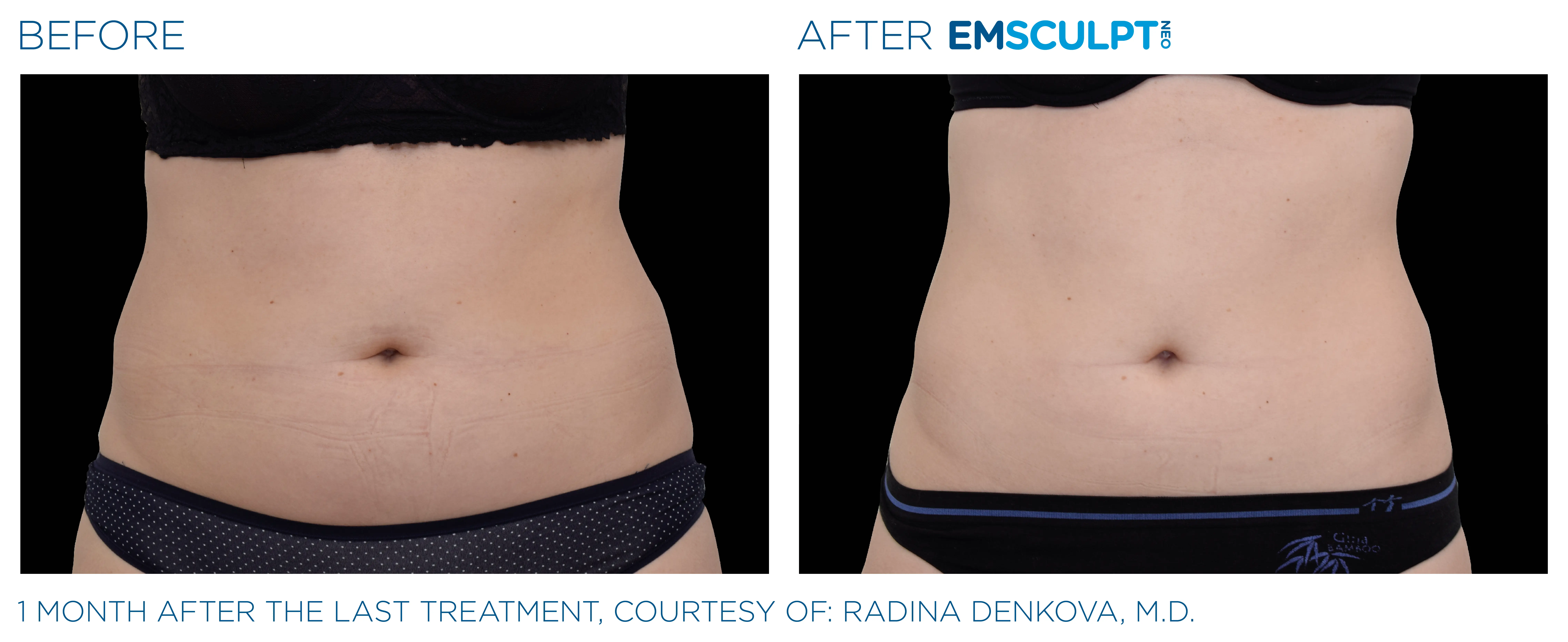
No. Body sculpting and contouring refine your shape near a stable, healthy weight — they are explicitly not weight-loss or obesity treatments, a position the FDA is clear on. Ideal candidates are typically within roughly ten to twenty pounds of their goal weight, with realistic expectations.
The right sequence for someone with significant weight to lose is to reach a stable, healthy weight first, supervised if that helps, and then contour or tighten — not to book contouring sessions that cannot deliver weight loss. We will tell you which conversation you are in rather than sell you the wrong one.
What does a supervised medical weight loss program actually involve?
It begins with a comprehensive consultation and a personalized plan rather than a one-size-fits-all protocol — because metabolism, genetics, and lifestyle differ for everyone. The plan covers whether medication fits, the appropriate dose and frequency, and how your progress is monitored, with ongoing follow-up where most patients who respond see gradual change over months rather than days.
Eligibility for prescription medication is decided by a provider based on your history, weight, and goals — never by a checkout page.
Can I treat the after-effects while I am still losing weight?
Sometimes, and timing matters. Facial restoration can begin during active loss: filler rebuilds the framework immediately, while a collagen biostimulator takes months to mature, so starting early means results build as you continue to lose. Body skin tightening with radiofrequency microneedling usually works better once your weight has been stable for roughly three to six months, when there is a settled result to firm around.
Your provider will help you sequence these so each step has the best chance of lasting. Individual results vary.
Plan the whole journey, not just the start
Weight loss touches more than the scale, and the people who come through it well are usually the ones who planned for the whole arc — the plateaus, the skin, the face, and the life on the other side. From Mandarin to the Beaches, Miami Vein & Wellness in Jacksonville is here to help you do exactly that.
Your first step is a conversation. Book a consultation and we will walk through where you are and what comes next.
Schedule your consultationOr call/text (904) 310-7186.
Sources & further reading
Education on this page draws on the clinical libraries of our sister practices in Miami.
- Ozempic Face: Treatment & Prevention — Miami Skin Spa
Provider-reviewed; fat-pad deflation, facial volume loss after GLP-1 weight loss, prevention by pace, and starting restoration while still losing.
- Loose Skin Treatment: Tightening After Weight Loss — Miami Skin Spa
Provider-reviewed; collagen-elastin scaffold, retraction timelines by amount lost, the pinch test, and lifestyle supports for skin quality.
- Skin Tightening: Non-Surgical RF Microneedling — Miami Skin Spa
Provider-reviewed; radiofrequency microneedling for mild-to-moderate laxity and the surgical boundary for true excess skin.
- Tone & Stubborn Fat: Body Sculpting — Miami Skin Spa
Provider-reviewed; fat-cell number set in childhood, why dieting shrinks but does not erase pockets, and contouring near goal weight.
- Body Contouring: Candidacy and Sequencing — Miami Skin Spa
Provider-reviewed; candidacy near goal weight, the FDA not-for-weight-loss guardrail, and lose-weight-first sequencing.
- Weight Loss Injections Treatment Guide — Miami Vein Center
Same-ownership Miami practice; supports personalized, physician-supervised, consultation-first weight-loss framing.