Jacksonville treatment guide
Facial Volume Loss in Jacksonville: Why It Happens and How Sculptra Helps
If your cheeks look flatter, your temples more hollow, or your face simply seems to have deflated, you are noticing facial volume loss. It is one of the most common reasons a face starts to look older, and it usually has more to do with collagen than with wrinkles.
This page explains what causes that change and where a collagen biostimulator like Sculptra fits in. If you are ready to talk specifics, our Jacksonville team can walk you through a plan.
Book a consultationWhat Is Facial Volume Loss?
Facial volume loss is the gradual deflation and flattening of the face that happens as the structures beneath your skin change. Skin collagen declines by roughly one percent a year after about age 20, so the firm scaffold that once held your face up slowly thins. At the same time, the deep fat pads in the temples, cheeks, and midface shrink and shift, and the underlying bone remodels. The result is hollowing where there used to be fullness, and deeper folds where skin now has less support.
A youthful face is essentially held up by pads of fat sitting on bone, with taut skin draped over the top. When those compartments deflate, the skin that was stretched over a fuller face has nowhere to go, so it settles into hollows and creases. That is why the change so often reads as a loss of structure rather than a single new line: the same skin is simply draping over less volume than it used to.
It is worth separating volume loss from wrinkles. Lines and creases are surface or movement changes; volume loss is a structural change one layer deeper. That distinction matters because the right fix depends on which layer is actually the problem. A muscle-driven frown line responds to a relaxer, a static crease can be softened at the surface, but lost structure has to be rebuilt. Restoring the scaffold is a different job from smoothing a line, and treating the wrong layer is how faces end up looking overfilled instead of refreshed.
Several things speed the process. Florida sun is a big one. Chronic ultraviolet exposure accelerates collagen breakdown, so an active, outdoor Northeast Florida lifestyle can make volume loss show up earlier and is part of why daily sun protection matters here. Menopause is another, because estrogen helps maintain collagen and its decline weakens that support; postmenopausal women tend to feel the change more, and for some, hormone support can soften the visible effect. And rapid weight loss, including the facial gauntness many people see on GLP-1 medications, can deflate facial fat quickly and expose the collagen deficit underneath.
The encouraging part is that this layer can be rebuilt. Where the problem is diffuse, gradual deflation, a collagen biostimulator prompts the skin to lay down its own new collagen over months, restoring fullness and firmness from within rather than simply filling a single spot. Who responds best, and how a plan is paced, depends on how much volume has been lost and how elastic the skin still is, which is exactly what an in-person assessment is for.
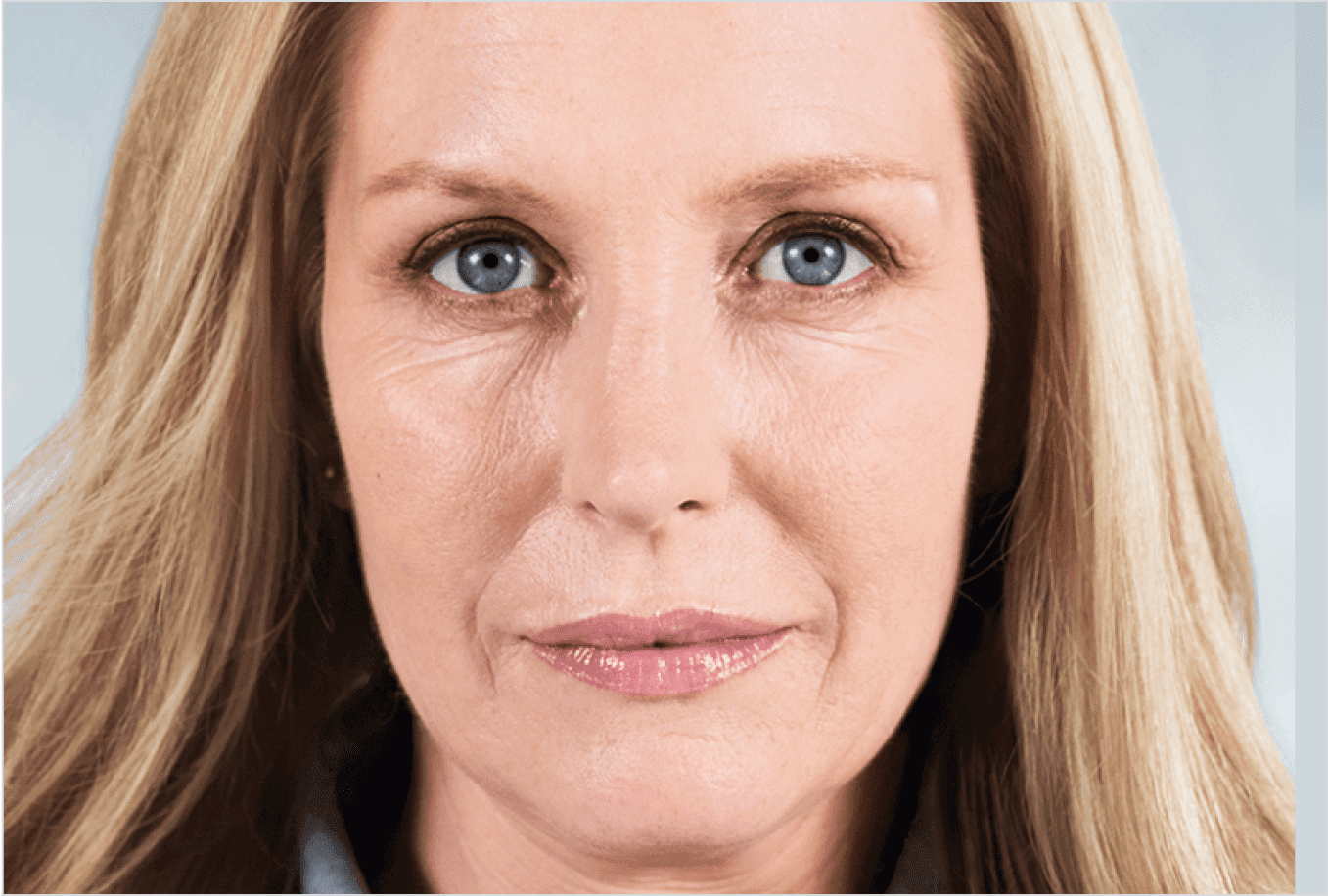
Signs of Facial Volume Loss
Volume loss tends to show up as hollowing and shadow rather than as a single line. These are the patterns people most often describe.
Hollow or sunken temples
When the temporal fat pad thins, the upper face narrows and can look more skeletal. It is one of the earliest and most telling signs of structural volume loss.
Flattened, less defined cheeks
As the malar and buccal fat pads deflate, the midface loses its lift. Cheeks that were once full and rounded can look flat, and that lost support changes how the whole face reads.
Deepening folds and shadows
Less midface support means the nasolabial folds running from nose to mouth deepen, and under-eye and cheek shadows become more pronounced even when your skin itself looks fine.
A gaunt look after weight loss
Rapid weight loss, including on GLP-1 medications, can deflate facial fat faster than skin can adjust, leaving the face looking drawn or aged. This pattern is exactly what collagen restoration is suited to.
Changes that read as tiredness
Many people describe looking tired or older without being able to point to a specific wrinkle. That diffuse, all-over deflation is usually volume loss rather than a line problem.
A good candidacy profile
The best candidates have diffuse volume loss and reasonably elastic skin, and want a gradual, natural change. Significant excess or hanging skin is a different issue that an injectable cannot address, and a candid evaluation will tell you which one you have.
How We Address Facial Volume Loss in Jacksonville
Because volume loss is a structural problem, the most direct way to address it is to rebuild structure. Sculptra is an injectable made of poly-L-lactic acid, a collagen biostimulator. Rather than filling a fold directly, it prompts your own fibroblasts to produce new Type I collagen over the following months, rebuilding the scaffold from within. In published research, subdermal PLLA raised Type I collagen by about 65 percent at three months, and that increase held at six months. In a 2025 multicenter trial of 331 people, Sculptra improved midfacial volume by roughly 90 percent at twelve months, and in a longer-running study of HIV-related facial fat loss, skin thickness roughly tripled and held for two years. Results build gradually, look like your own tissue, and tend to last two or more years before maintenance. Individual results vary.
Sculptra and hyaluronic acid fillers do different jobs and often work best together. Filler adds immediate, targeted volume to a specific area; Sculptra restores diffuse fullness gradually and improves skin quality across the whole face. One restores the framework now, the other rebuilds from within over time. A consultation is where we figure out which mix fits your face, and where energy-based skin tightening might add to the plan.
Timing helps too. Because collagen takes months to mature, starting a biostimulator early, even during active weight loss, lets you build reserves before the full deficit appears. There are limits worth naming plainly: Sculptra is avoided in people with a history of keloid or hypertrophic scarring or an allergy to any ingredient, and its safety is not established in pregnancy, breastfeeding, or under age 18. It is an injectable with normal downtime such as temporary swelling, redness, or bruising, so it carries the usual injection risks rather than none. And it is not a substitute for surgery. Significant hanging or excess skin warrants a surgical consult, not an injectable.
For people whose volume loss followed GLP-1 weight loss, the facial change and the weight change are often best considered together. We can connect the dots with medical weight loss when that is part of your picture.
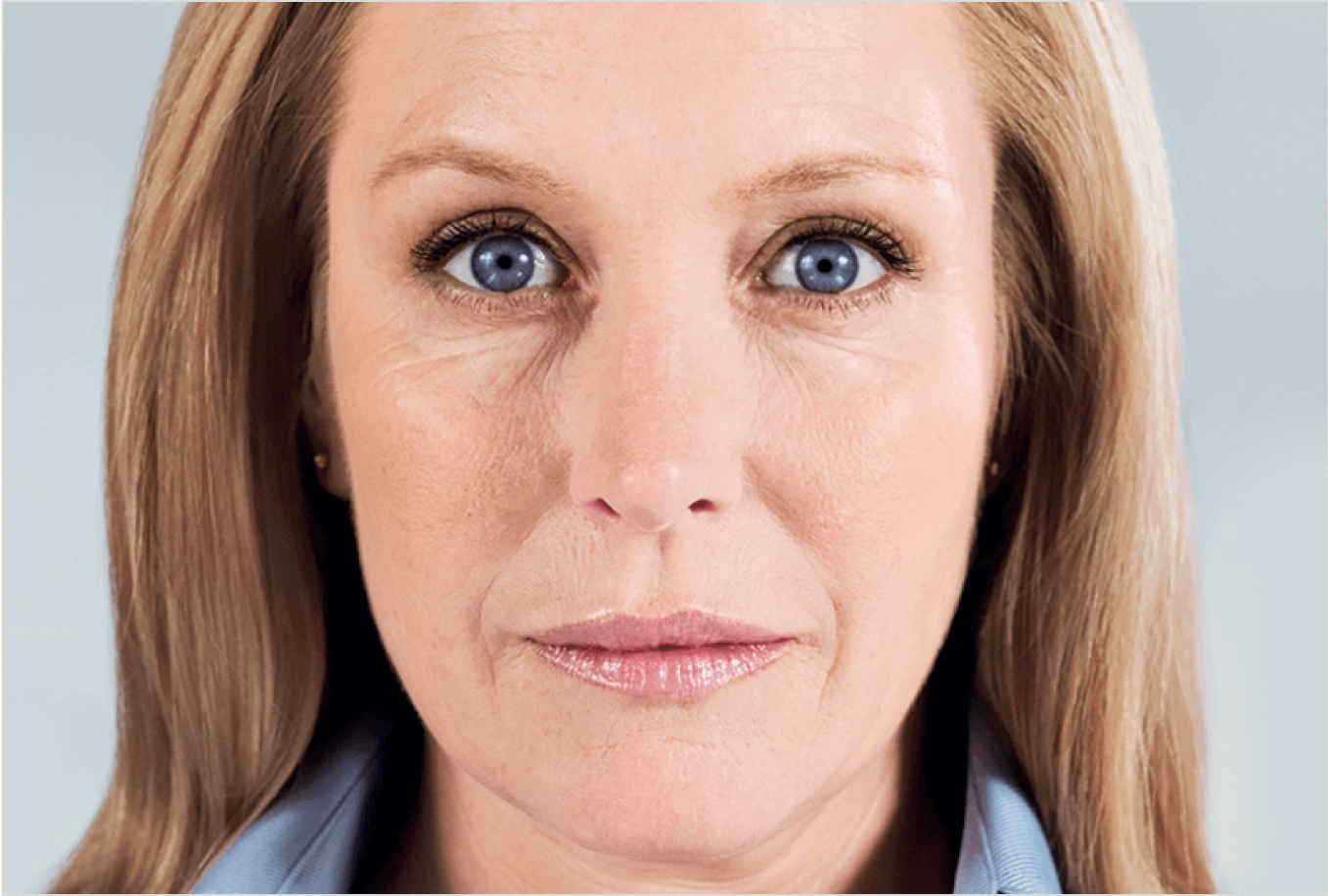
What to Expect From a Sculptra Plan
Sculptra is a series, not a single appointment, and the change is meant to arrive quietly over months. Here is the general arc; your exact plan is set in person.
-
Consultation and assessment
A physician-supervised evaluation maps where volume has been lost, reads how elastic your skin still is, and confirms whether a biostimulator is the right tool or whether filler, tightening, or a surgical referral fits better. This is also where contraindications are screened and any cost is discussed.
-
A short series of sessions
A typical plan is two to four sessions spaced about four to six weeks apart. Each visit places product across the areas that have deflated; the dilution, depth, and dosing are tailored so the rebuild looks even and natural rather than overfilled.
-
Gradual collagen rebuild
Because the change comes from your own new collagen forming, you will not see a sudden result. Fullness and firmness build steadily over the following months, with the fullest effect usually around three to six months in.
-
Maintenance over time
For many patients results last roughly two to three years. Aging continues, so periodic maintenance keeps pace; results are gradual and not permanent, and they vary from person to person.
Not Sure Whether It Is Volume Loss or Something Else?
A physician-supervised assessment sorts out what is actually changing in your face and which approach, if any, fits your goals. There is no obligation to proceed.
Schedule a facial assessmentWhy Choose Miami Vein & Wellness in Jacksonville
Collagen biostimulation is technique-sensitive: where the product is placed, how it is diluted, and how it is dosed across sessions all influence how natural the rebuild looks. That is why a candid medical evaluation comes before any recommendation. We bring the physician-led, consultation-first approach proven at our established sister practices in Miami to Northeast Florida, serving patients from Riverside and San Marco to Ponte Vedra and the Beaches.
If a different approach would serve you better, we will say so. The goal is the right plan for your face, not the busiest one.
- Physician-supervised assessment before any treatment
- A candid read on whether volume loss is really your issue
- Gradual, natural-looking dosing over an overfilled look
- Full-face perspective with complementary treatments under one roof
- Backed by established, physician-led Miami practices
Frequently asked questions
What causes facial volume loss as I age?
Skin collagen declines by roughly one percent a year after about age 20, so the scaffold that supports your face slowly thins. At the same time, the deep fat pads in the temples, cheeks, and midface shrink and shift, and the bone underneath remodels.
The visible result is hollowing where there used to be fullness and deeper folds where the skin has lost support. Sun exposure, menopause, and rapid weight loss can all speed it up.
Sculptra vs. filler — which restores facial volume better?
They do different jobs and often work best together. Hyaluronic acid fillers add immediate, targeted volume to a specific area. Sculptra is a collagen biostimulator that rebuilds your own collagen gradually over months for natural, diffuse fullness that can last two or more years and improves skin quality along the way.
Filler restores the framework now; Sculptra rebuilds it from within over time. A consultation is where we map out which mix fits your face. Individual results vary.
How does Sculptra actually rebuild collagen?
Sculptra is made of poly-L-lactic acid, which acts as a controlled signal to your own fibroblasts to produce new Type I collagen. In published research, subdermal PLLA raised Type I collagen by about 65 percent at three months, with that increase sustained at six months, and in a study of HIV-related facial fat loss skin thickness roughly tripled and held for two years.
Because the change comes from your own tissue forming over time, results are gradual and typically reach their fullest around three to six months.
Is Sculptra FDA-approved?
Yes. Sculptra has been FDA-approved for facial fat loss, known as lipoatrophy, since 2004. Later approvals extended it to facial wrinkles and folds in 2009 and to cheek wrinkles in 2023. Your provider will confirm what is appropriate for your situation at a consultation.
Can Sculptra help facial gauntness after weight loss?
Often, yes. Rapid weight loss, including on GLP-1 medications, deflates facial fat and exposes thinning collagen, which is what gives the face a drawn or gaunt look. Sculptra rebuilds collagen and is FDA-approved for lipoatrophy, the closest medical parallel.
Many patients begin during active weight loss, since starting early lets the new collagen build before the full deficit appears. Individual results vary.
How long do Sculptra results last, and how many sessions does it take?
A typical plan is two to four sessions spaced about four to six weeks apart, with the fullest effect around three to six months. For many patients results last roughly two to three years, with periodic maintenance to sustain them.
Your exact plan and any cost details are set at your consultation. Results are gradual and not permanent, and they vary from person to person.
Who is not a good candidate for Sculptra?
Sculptra is avoided in people with a history of keloid or hypertrophic scarring or an allergy to any ingredient, and its safety is not established in pregnancy, breastfeeding, or under age 18.
It also is not a fix for significant sagging or excess skin. That is a structural problem an injectable cannot solve, so substantial hanging skin warrants a surgical consult rather than Sculptra.
Understand Your Facial Volume Loss in Jacksonville
Facial volume loss is common, gradual, and treatable, and the first step is simply understanding what is changing in your face. Patients across Jacksonville, San Marco, Mandarin, and St. Johns come to us for a clear, honest read before deciding anything.
Book a consultation for a physician-guided assessment and a plan built around your face, not a template.
Book my consultationOr call/text (904) 310-7186.
Sources & further reading
Education on this page draws on the clinical libraries of our sister practices in Miami.
- Ozempic Face: Volume Loss & Sculptra Collagen Restoration — Miami Skin Spa
FDA-approval timeline, RCT volume and collagen data, PLLA mechanism, protocol, and candidacy for facial volume loss.
- Loose Skin: Non-Surgical Tightening & Biostimulators — Miami Skin Spa
Frames Sculptra for diffuse volume and firmness, PLLA skin-thickness evidence, and the surgical boundary for advanced laxity.
- Wrinkles & Anti-Aging: The Aging Decision Hub — Miami Skin Spa
Sculptra-versus-filler-versus-relaxer framing, treating the right layer, and collagen-decline context.
- Sculptra Biostimulator: Collagen Restoration — Miami Skin Spa
Sculptra before/after results and procedure detail; source of the attributed before-and-after images on this page.