Jacksonville treatment guide
Exosome Therapy in Jacksonville: What the Science Actually Says
You have probably seen exosomes marketed as the next big thing in skin and scalp rejuvenation. This page is the honest, plain-English version: what exosomes are, whether the evidence holds up, where the FDA stands, and how they compare to more established options like PRP and microneedling.
Our take is deliberately conservative. Exosomes are a promising, still-emerging idea, and we would rather help you understand them than oversell them.
Book a consultationWhat Exosomes Are, in Plain Language
Exosomes are tiny cell-signaling vesicles, essentially small messenger packages of growth factors and proteins that cells release to tell other cells how to repair and rebuild. In aesthetics, lab-prepared exosome solutions are applied to the skin or scalp, almost always paired with microneedling or a laser, to act as a biological signal that encourages the skin's own repair machinery.
It helps to understand the biology they are trying to nudge. A scar or an aging change is the visible record of a wound-healing process that did not return the skin fully to baseline. Inflammation and sun exposure activate matrix-degrading enzymes that break down the collagen scaffold in the dermis, and when too little organized collagen is rebuilt, the result is a depression, rough texture, or uneven tone. Almost every effective skin-renewal treatment works the same way in response: it creates a controlled, sub-clinical injury that triggers fresh, organized collagen. Regenerative add-ons like exosomes are meant to amplify that healing signal.
It helps to picture a spectrum of regenerative add-ons. Microneedling on its own triggers collagen production through controlled micro-injury. PRP, drawn from your own blood, layers your own growth factors on top of that. Exosomes sit at the newest, most experimental end of that same spectrum, which is why they are nearly always offered as an add-on rather than a treatment you would get by itself.
Here is the part many clinics gloss over: exosome products are not FDA-approved for treating skin or scars, and they remain investigational. The FDA has publicly cautioned consumers about unapproved exosome and regenerative products. Early research in skin rejuvenation and scarring is encouraging, but it is genuinely early, so we list exosomes for completeness, not as an established standard of care.
The closest established comparator gives a sense of where the evidence actually sits. A 2025 split-face trial compared adipose-derived exosomes against PRP for photoaged facial skin, and PRP itself, when added to microneedling, roughly tripled the odds of greater-than-50-percent improvement in one analysis. Even there, an umbrella review rated the overall certainty of that evidence as low, which is the honest backdrop against which any exosome claim has to be read. Numbers like these describe study populations, not promised outcomes, and we keep the hedges the researchers attached.
Why so much interest now? Collagen production declines by roughly one percent per year after age 20, and Northeast Florida's year-round sun and outdoor lifestyle only accelerate photoaging and uneven tone. That combination is exactly what collagen-stimulating and regenerative protocols aim to address, which is part of why regenerative add-ons have caught on with Jacksonville patients.
Who Tends to Ask About Exosomes
Exosomes are best understood as a possible booster for treatments you already trust. These are the situations where the question usually comes up.
You are already planning microneedling
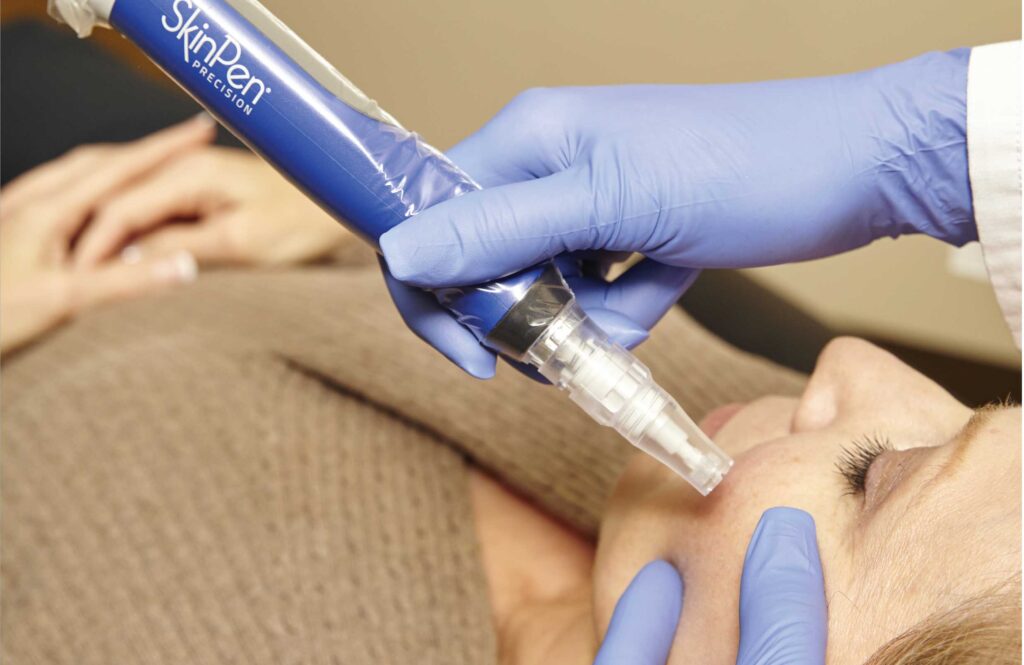
Microneedling creates microchannels that let topically applied solutions reach deeper skin layers. That mechanism is exactly why exosomes are offered as an add-on to a session rather than as a standalone facial, and why people considering microneedling are the ones who ask about them most.
Sun exposure has left uneven tone and texture
Years of Florida sun, beach days, and outdoor living show up as photoaging, rough texture, and uneven tone. Regenerative and resurfacing protocols target precisely these changes, and exosomes are positioned as a way to support recovery after sun-aware treatment.
You have tried or researched PRP
PRP, the closest established comparator, uses growth factors from your own blood. If you have looked into PRP and want to understand how the newer exosome option differs, a candid comparison usually clears things up quickly.
You are skeptical of the hype, in a good way
Plenty of Jacksonville patients comparing local med spas want a clinic that is honest about investigational status rather than one overselling a trend. If that describes you, you are exactly the kind of person this page is written for.
You want more from a treatment series
If you are already investing in a course of microneedling or resurfacing, exosomes are framed as a potential way to get more from visits you have planned, rather than a reason to add appointments. Candidacy is confirmed at a physician-supervised consultation.
How We Approach Exosomes in Jacksonville
Because exosomes amplify a base treatment rather than stand alone, we start with the foundation. Microneedling is FDA-cleared collagen-induction therapy; in its pivotal trial of three sessions four weeks apart, about 90 percent of patients showed improvement in scar appearance at six months, and because it relies on mechanical injury rather than heat, it is well tolerated across skin tones. To be clear, that figure describes a study population, not a promised outcome, and most patients do feel the treatment during the session. Exosomes are layered on top of a base like this, applied immediately afterward through the microchannels the treatment creates.
When patients ask how exosomes stack up against PRP, we give them the real evidence. Adding PRP to microneedling roughly tripled the odds of greater-than-50-percent improvement in one analysis, though an umbrella review rated the overall certainty of that evidence as low. A 2025 split-face trial compared adipose-derived exosomes against PRP for photoaged facial skin. The signal is interesting, but the hedges the researchers attached are part of the story, and we keep them attached.
The pairing is not limited to microneedling. After compatible resurfacing, which removes damaged outer layers and stimulates newer, healthier skin and collagen, a regenerative solution can be used to help calm and support the skin during repair. Light and non-ablative resurfacing typically involves only one to three days of downtime and is usually planned as a short course rather than a single visit, which is the same gradual, course-based rhythm exosomes are layered into.
In practice, every plan begins with a consultation. We confirm whether a regenerative add-on makes sense for your goals, your skin, and your health history, and we are comfortable saying so when it does not. If you decide to move forward, you can review the procedure details, what qualifies, and current pricing on our exosome therapy service page. Exosomes are offered in a cosmetic, regenerative capacity only, never to diagnose or treat disease, and results vary from person to person.
Results from the regenerative base build gradually. Skin typically heals over four to six weeks between microneedling sessions, most plans run three to six sessions, and collagen continues remodeling for six to twelve months afterward. Exosomes are positioned as a possible boost on top of that timeline, not a shortcut around it.
What a Regenerative Add-On Visit Looks Like
Exosomes are never the whole appointment, so the timeline below follows the base treatment they are layered into. It is a realistic sketch, not a promise; your provider tailors every step at the consultation.
-
Consultation and candidacy review
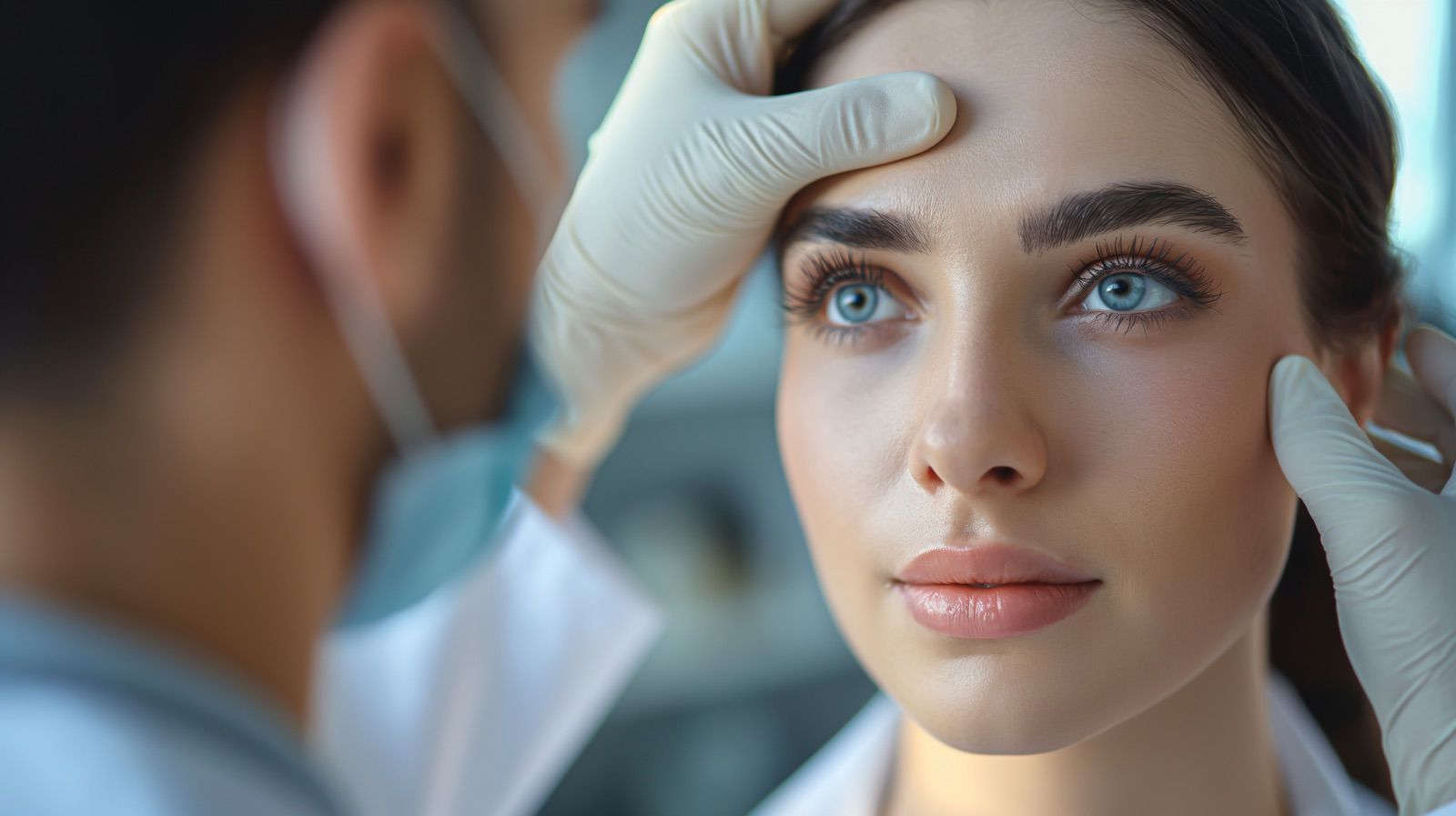
Every plan opens with a physician-supervised consultation that assesses your skin, your goals, and your health history. This is where we confirm whether a regenerative add-on makes sense at all, match it to a base treatment, and are candid if it does not fit your plan.
-
Comfort prep and the base treatment
On treatment day the skin is cleansed and a topical numbing agent is applied for comfort before microneedling or compatible resurfacing. The base session itself usually takes around 30 to 60 minutes. Most patients do feel the treatment during the session, and your provider will set expectations beforehand.
-
Exosome application through fresh microchannels
Immediately after the base treatment, while the microchannels are open, the lab-prepared exosome solution is applied so it can reach deeper layers. That delivery window is the entire reason exosomes are an add-on rather than a standalone facial.
-
Short recovery, then gradual change
Expect mild redness and swelling similar to a light sunburn that typically settles within 24 to 48 hours, with light resurfacing usually involving one to three days of downtime. Visible change builds over the following weeks as collagen rebuilds, not overnight, and results vary from person to person.
-
A course, not a single visit
Most regenerative plans run three to six sessions spaced four to six weeks apart, with collagen continuing to remodel for six to twelve months after the series. Exosomes are layered onto that cadence as a possible boost rather than a way around it.
Want a Straight Answer on Whether Exosomes Fit Your Plan?
A consultation is the simplest way to find out. We will walk you through what current experience supports, what is still under study, and whether a regenerative add-on belongs in your plan at all.
Book a consultationWhy Patients Trust Miami Vein & Wellness in Jacksonville With This
With an emerging therapy like exosomes, who stands behind the treatment matters even more. Our Jacksonville practice is physician-led and consultation-first, drawing on the same provider-reviewed standards and medical-grade sourcing used at our established Miami sister practices. With a treatment this hype-prone, our honesty is the point: if a regenerative add-on does not make sense for you, we will say so.
We serve patients across Northeast Florida, from Riverside and San Marco to Ponte Vedra, the Beaches, and Mandarin, with the same approach every time: clear education first, then a plan built around your skin rather than a sales target.
- Physician-supervised care and candidacy review before any treatment
- Deliberately conservative, evidence-honest guidance on an emerging therapy
- Medical-grade, professionally sourced products
- The same provider-reviewed standards as our established Miami sister practices
- Plans built around your skin, never one-size-fits-all packages
Frequently asked questions
What are exosomes, in plain language?
Exosomes are cell-signaling vesicles, essentially tiny messenger packages of growth factors and proteins that tell skin cells to repair and rebuild. In aesthetics, lab-prepared versions are applied after microneedling or laser so they can reach where they are most useful.
The idea is to amplify the skin's own healing response. Almost every effective skin-renewal treatment works by creating a controlled injury that prompts fresh, organized collagen, and regenerative add-ons like exosomes are meant to reinforce that signal rather than replace it.
Are exosomes FDA-approved?
No. Exosome products are investigational and not FDA-approved for skin or scar treatment, and the FDA has cautioned consumers about unapproved exosome and regenerative products.
We treat them as an emerging option, not a standard of care, and we will be candid about that at your consultation.
How do exosomes compare to PRP?
PRP, made from growth factors in your own blood, is the closest established comparator. Added to microneedling, it roughly tripled the odds of greater-than-50-percent improvement in one analysis, though the overall certainty of that evidence was rated low.
A 2025 split-face trial compared adipose-derived exosomes against PRP for photoaged skin. The early signal is encouraging, but it remains under study, so we keep the hedges attached when we discuss the numbers.
Why are exosomes applied with microneedling instead of on their own?
Microneedling creates microchannels that let the solution reach deeper layers of skin. That delivery mechanism is the reason exosomes are offered as an add-on rather than as a standalone facial.
Can exosomes be added after resurfacing or laser?
Yes. After compatible resurfacing, which removes damaged outer layers and stimulates newer skin and collagen, a regenerative solution can be used to help calm and support the skin during repair.
Light and non-ablative resurfacing typically involves only one to three days of downtime and is usually planned as a short course. Whether this pairing fits is decided at your consultation, and results vary from person to person.
Does microneedling actually work on its own?
Yes. Microneedling is FDA-cleared collagen-induction therapy. In its pivotal trial, about 90 percent of patients showed improvement at six months, and it is well tolerated across skin tones. That figure describes a study group rather than a promised individual result.
Because the base treatment already has evidence behind it, exosomes are framed as a potential booster on top of a proven foundation.
When will I see results, and how many sessions are typical?
Skin heals over four to six weeks between sessions, most plans run three to six sessions, and collagen keeps remodeling for six to twelve months. Changes appear gradually rather than overnight, and results vary from person to person.
Curious About Exosomes? Start With an Honest Conversation
Whether you are weighing exosomes against PRP or simply trying to separate the science from the marketing, the right first step is a candid consultation. We will explain what the evidence supports, what is still being studied, and whether a regenerative add-on is worth it for you.
Booking takes a couple of minutes, and you will leave with a clear, honest sense of your options before committing to anything.
Schedule your consultationOr call/text (904) 310-7186.
Sources & further reading
Education on this page draws on the clinical libraries of our sister practices in Miami.
- Acne Scars: An Evidence-Based Guide to Treatments — Miami Skin Spa
Provider-reviewed guide with a cited exosome entry covering investigational status, FDA caution, the 2025 exosome-vs-PRP split-face trial, and the controlled-injury collagen mechanism.
- SkinPen Microneedling — Miami Skin Spa
FDA-cleared device, collagen-induction mechanism, microchannel rationale, numbing and visit flow, session cadence, and the one-percent-per-year collagen-loss stat.
- Skin Resurfacing — Miami Skin Spa
Resurfacing mechanism, one-to-three-day downtime, and course length supporting the exosomes-after-resurfacing pairing.
- Medical-Grade Facials & Regenerative Boosters — Miami Skin Spa
Sister regenerative add-on delivered through microneedling that helps explain growth-factor and biological-signal mechanisms in lay terms.
- Skin Consultation — Miami Skin Spa
Consultation-first assessment and treatment planning that supports the physician-supervised candidacy step before any regenerative add-on.