Jacksonville treatment guide
Botox in Jacksonville: Understanding Wrinkle Relaxers Before You Book
If you have been researching Botox in Jacksonville, you have probably run into a wall of brand names, unit talk, and conflicting advice. This page is the explainer to read first: what neuromodulators actually do, how Botox, Dysport, and Xeomin differ, and how to tell whether a line is the kind a relaxer can soften.
Wrinkle relaxers are the most-performed minimally invasive cosmetic procedure in the country, with roughly 9.9 million treatments in the US in 2024. Common does not mean casual — it is still a prescription medicine, so a little understanding goes a long way.
Book a consultationWhat Botox Actually Does to a Wrinkle
Botox is the best-known brand of botulinum toxin type A, a family of injectables called neuromodulators. They work at the junction where a nerve meets a muscle. Type A toxins block the release of acetylcholine, the chemical signal that tells a muscle to contract, by cleaving a protein called SNAP-25 that the signal depends on. Without that signal, the targeted muscle relaxes and the skin above it stops folding, so the line softens. The effect is temporary — as the nerve endings recover and new connections form, movement and lines gradually return.
That mechanism explains what relaxers are good at and where they fall short. They treat dynamic wrinkles: the lines that appear when you make an expression, like forehead creases, the frown "11s" between the brows, and crow's feet at the corners of the eyes. Every time you frown, squint, or raise your brows, a facial muscle folds the skin above it; early on the line vanishes when your face relaxes. Over years of that repeated movement — and as collagen and elastin decline — the fold can become visible even at rest. By quieting the muscle, a relaxer can help keep a dynamic line from etching into a static one in the first place.
There is a window where this matters most. While a line is still mostly dynamic, a relaxer does its best work; once a crease is deeply set at rest, the same product softens it but rarely erases it alone. That is the honest line between what a neuromodulator can do and what it cannot. The evidence for the dynamic case is strong: in one randomized, placebo-controlled trial of botulinum toxin A for the glabellar "frown" lines, the investigator-rated responder rate was 89.5% with a single treatment versus 7.5% on placebo at day 30.
What a neuromodulator is not: a filler or a face-lift. It does not restore lost volume, and it will not erase a deep static line on its own. That distinction matters in Northeast Florida, where a sun-and-water lifestyle from the Beaches to Ponte Vedra means a lot of squinting against glare — and squint lines that etch in faster without daily sun protection. Botox relaxes the movement; sunscreen, resurfacing, or other treatments address the surface damage and lost volume.
It helps to picture facial aging as four layers stacked at once: movement lines, volume loss, collagen and texture decline, and cumulative sun damage. Relaxers handle the movement layer well, which is why combination plans — relax the movement, then restore volume or rebuild collagen for the static lines — tend to outperform any single treatment. No one product fixes all four layers, and naming which layer you are treating is what keeps a plan realistic.
Significant sagging, by contrast, is a job for surgery, not toxin — and a candid provider will say so rather than ask a neuromodulator to do work it cannot. The honest version of a plan names which layer it is treating, what it leaves for something else, and where the line sits between what relaxers do and what they do not.
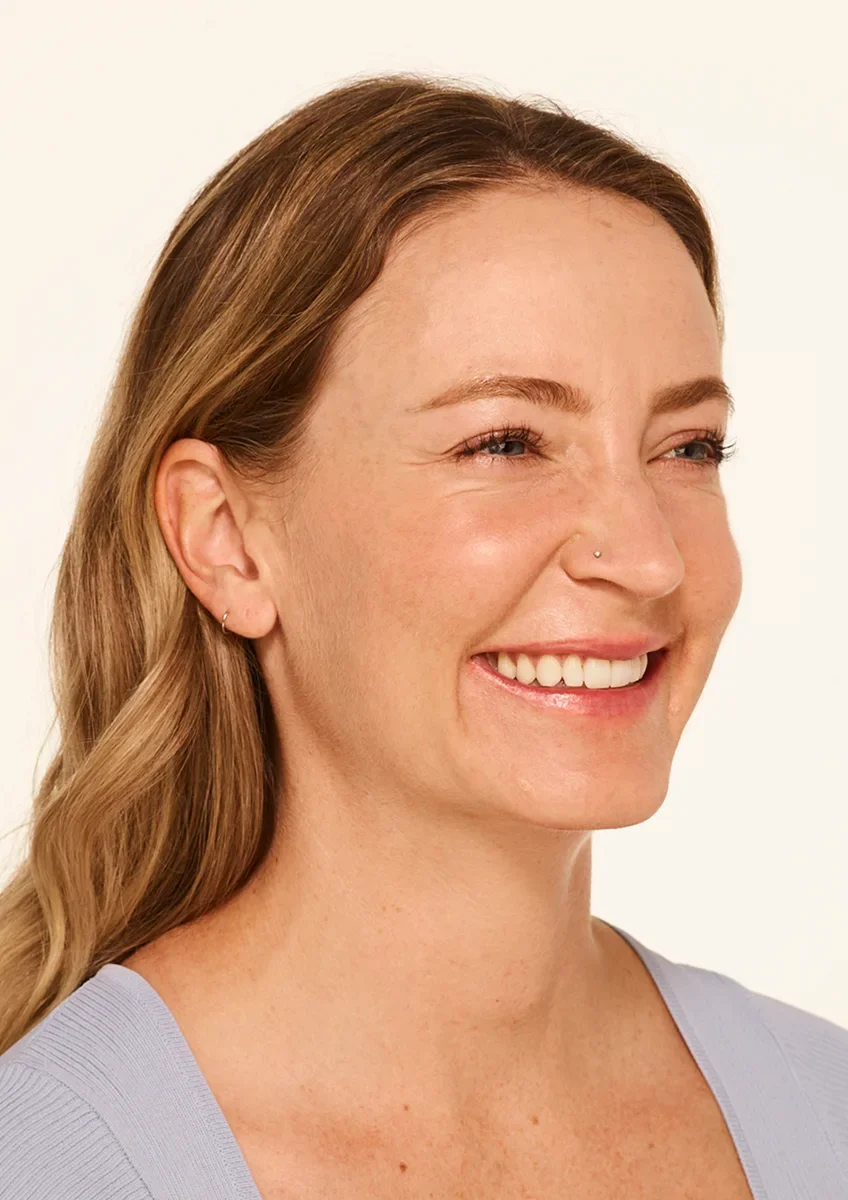
Signs a Wrinkle Relaxer Is Worth Considering
Relaxers fit some lines beautifully and others poorly. A medical evaluation confirms suitability, but these markers help you tell where you stand.
Lines that show up when you move
Raise your brows, frown, or smile in the mirror. If creases appear with the expression and smooth out when you relax, those are dynamic wrinkles — the textbook target for a neuromodulator.
A line that lingers after your face relaxes
When a frown or forehead line is starting to stay faintly visible at rest, that is the sensible moment to consider treatment. It is the most defensible case for a preventative approach, dosed lightly to slow the line from etching in — the window where a relaxer does the most good.
Crow's feet from years of sun and squinting
Outdoor life in Jacksonville means a lot of squinting against bright water and sky. Fine lines fanning from the eye corners when you smile or squint respond well to careful dosing that softens the lines without changing your smile.
You want subtle, not stiff
A frozen look comes from too much product placed poorly, not from the toxin itself. If your goal is to look rested while keeping your expressions, conservative, anatomy-led dosing is the path — and a good candidacy marker.
Reasons to wait or check first
Relaxers are not for everyone. If you are pregnant or breastfeeding, have certain neuromuscular disorders, a known allergy to the product, or an active skin infection where you would be treated, you should wait or avoid them. Always disclose medications that affect nerve-muscle signaling.
How We Approach Wrinkle Relaxers in Jacksonville
Treatment starts with a consultation, not a needle. A provider watches how your facial muscles actually move, talks through which lines bother you, and maps a conservative dose to your anatomy. Each area targets a specific muscle — the corrugators and procerus for the frown "11s," the frontalis for forehead lines, the orbicularis oculi for crow's feet — so placement and dose are anatomy-led, not one-size-fits-all. The goal at Miami Vein & Wellness is the same philosophy refined across our Miami sister practices: refreshed, not frozen. Once a line is already etched at rest, a relaxer is often paired with resurfacing or a touch of filler rather than asked to do the whole job alone.
We keep Botox, Dysport, and Xeomin in stock so the product is matched to you, not to whatever is on the shelf. They are all FDA-approved type A neuromodulators, but they are not interchangeable unit for unit — a unit of Dysport is not a unit of Botox, and each product has its own potency scale. Dysport tends to have a faster onset and a slightly wider spread, which can suit broad areas like the forehead. Xeomin is a "naked" formulation with no complexing proteins. Botox is the most-studied of the three and the only one FDA-approved for four aesthetic facial and neck areas. Choosing among them, and converting doses correctly, is work for a trained injector rather than an online calculator.
FDA-approved facial areas include the frown "11s," crow's feet, forehead lines, and platysma neck bands — Botox earned those approvals in 2002, 2013, 2017, and 2024 respectively. Some areas are treated off-label with small doses — a lip flip, bunny lines on the nose, downturned mouth corners, chin dimpling, or masseter jaw slimming. Off-label use of an approved medicine is routine in medicine and means the FDA has not formally reviewed that exact use, not that the technique is unusual — and we will always tell you when an area falls into that category. For per-unit pricing, the in-office visit flow, and a written estimate, see our Botox, Dysport, and Xeomin service page.
Most effects begin to soften in one to three days, reach full effect around two weeks, and fade over roughly three to four months, depending on the product, the area, and your metabolism. Because results and suitability vary from person to person, we confirm your plan in person rather than promising a number online.

What the Timeline Usually Looks Like
Neuromodulators work gradually, not instantly. Here is the typical arc, though individual results vary.
-
Days 1 to 3: the first softening
Most people start to notice the treated muscle easing within one to three days. The change is subtle at this stage — lines look less deep when you make the expression. There is essentially no downtime, though most providers suggest avoiding heavy exercise, lying flat, and rubbing the area for a few hours.
-
Around two weeks: full effect
The result settles in by roughly two weeks. This is the point to assess whether you would like a touch more in any area, which is easy to add at a follow-up — the conservative-first approach in reverse.
-
Three to four months: gradual return
As nerve endings recover, movement and lines slowly come back over three to four months. Some longer-acting formulations trend toward the longer end. Many patients schedule maintenance a few times a year to keep results consistent.
Wondering which areas to treat — or whether it's time yet?
A consultation is the honest way to find out. A provider evaluates how your muscles move and maps a conservative plan before any treatment.
Book a consultationWhy Patients Choose Miami Vein & Wellness in Jacksonville
We are a newer clinic in Jacksonville, but not a new operation. Miami Vein & Wellness is the Northeast Florida home of a long-established Miami group — the Miami Vein Center and the Miami Skin Spa med-spa practices — and we brought their conservative, anatomy-led approach with us. That means physician supervision, authentic distributor-sourced product, and all three toxins on hand so your treatment is matched to your face.
Patients come to us from Riverside, San Marco, Mandarin, Nocatee, Ponte Vedra, and the Beaches looking for a provider who explains the why before the how.
- Physician-supervised injections at every visit
- Authentic Botox, Dysport, and Xeomin from licensed distributors
- All three toxins stocked, so the product is matched to you
- Conservative dosing philosophy — refreshed, not frozen
- Consultation-first, with a written estimate before any treatment
Frequently asked questions
What's the difference between Botox, Dysport, and Xeomin?
All three are FDA-approved type A neuromodulators that relax the muscles creating dynamic wrinkles. They differ in onset, spread, formulation, and unit scale — a Dysport unit is not equal to a Botox unit (it runs roughly two-and-a-half to three Dysport units per Botox unit), and Xeomin is a "naked" toxin with no complexing proteins. Dysport's faster onset and wider spread can suit broad areas like the forehead; Botox is the most-studied and the only one approved for four aesthetic facial and neck areas.
In practice, the injector's skill and anatomy-led placement matter more than the brand on the vial. At a consultation, your provider recommends the product best matched to your goals.
How long does Botox last, and when will I see results?
Softening typically begins in one to three days and peaks around two weeks. Most results fade over three to four months, with some longer-acting formulations trending longer. How long it lasts depends on your metabolism, the dose, and which area was treated.
There is essentially no downtime, so most people return to normal activities right away — though it is common to avoid heavy exercise, lying flat, and rubbing the treated area for a few hours.
Will Botox make me look frozen?
A frozen look comes from too much product placed poorly, not from the toxin itself. Conservative, anatomy-led dosing softens lines while preserving your natural expressions — and more can always be added at a follow-up if you want a stronger effect.
What's the difference between dynamic and static wrinkles, and can Botox fix both?
Dynamic wrinkles appear only with movement and are the textbook target for relaxers. Once a line is etched at rest, it is a static wrinkle — a relaxer can soften it but rarely erases it alone, so it is usually paired with resurfacing or a touch of filler.
There is a window worth knowing: while a line is still mostly dynamic, a relaxer does its best work and can help slow the line from setting in. That is the logic behind treating sooner rather than waiting for a crease to fully etch.
Is preventative Botox worth it, and when should I start?
The sensible time to consider it is when a line starts to linger after your face relaxes — not before any line exists. Started at that point and dosed lightly, a neuromodulator can help slow lines from etching in. It is a personal decision best made with a provider, not a rule for everyone to start young.
Which areas can wrinkle relaxers treat?
FDA-approved areas are the frown "11s," crow's feet, forehead lines, and platysma neck bands. Common off-label areas — treated with small doses — include bunny lines, a lip flip, downturned mouth corners, chin dimpling, and masseter jaw slimming. We will tell you when an area is off-label, which is a routine and accepted use of an approved medicine — it means the FDA has not formally reviewed that exact use, not that the technique is unusual.
Is Botox safe, and who shouldn't get it?
In trained hands the safety record is excellent. Most side effects are minor and temporary, such as bruising, mild swelling, or a brief headache; eyelid droop is uncommon, temporary, and strongly technique-dependent, which is why placement and dose matter so much.
You should wait or avoid treatment if you are pregnant or breastfeeding, have certain neuromuscular disorders, a known product allergy, or an active skin infection at the site. It is a prescription medicine given by a licensed professional after an individual evaluation, and suitability varies.
Ready to Talk Through Botox in Jacksonville?
Whether you are coming from Riverside, the Beaches, or Nocatee, the first step is a straightforward consultation — a look at how your face moves, an honest conversation about your goals, and a clear plan with no pressure to proceed.
Read it, sleep on it, and book when you are ready. Results and suitability vary from person to person.
Book a consultationOr call/text (904) 310-7186.
Sources & further reading
Education on this page draws on the clinical libraries of our sister practices in Miami.
- Wrinkle relaxers, decoded — a clinical review of botulinum toxin — Miami Skin Spa
Provider-reviewed source for mechanism, the dynamic-vs-static framing, the six-product comparison, FDA history, the onset and duration timeline, and safety.
- Wrinkles & anti-aging — the aging decision hub — Miami Skin Spa
Positions relaxers as one of four aging layers and supplies the glabellar responder-rate trial data and combination-plan logic for static lines.
- Botox vs. Dysport vs. Xeomin — full comparison guide — Miami Skin Spa
Deep comparison of the three products carried in Jacksonville, used for the product-selection section and FAQ.
- Wrinkle relaxer treatments in Brickell — service page — Miami Skin Spa
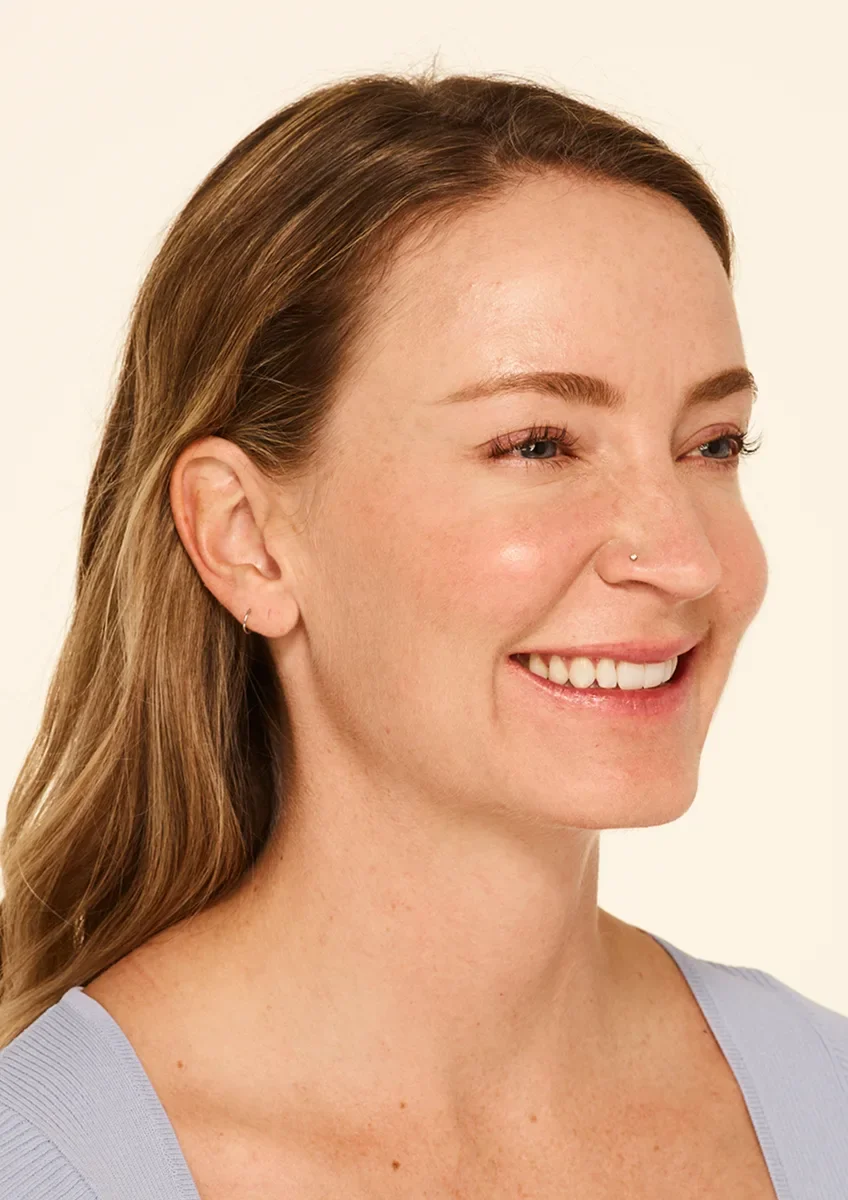
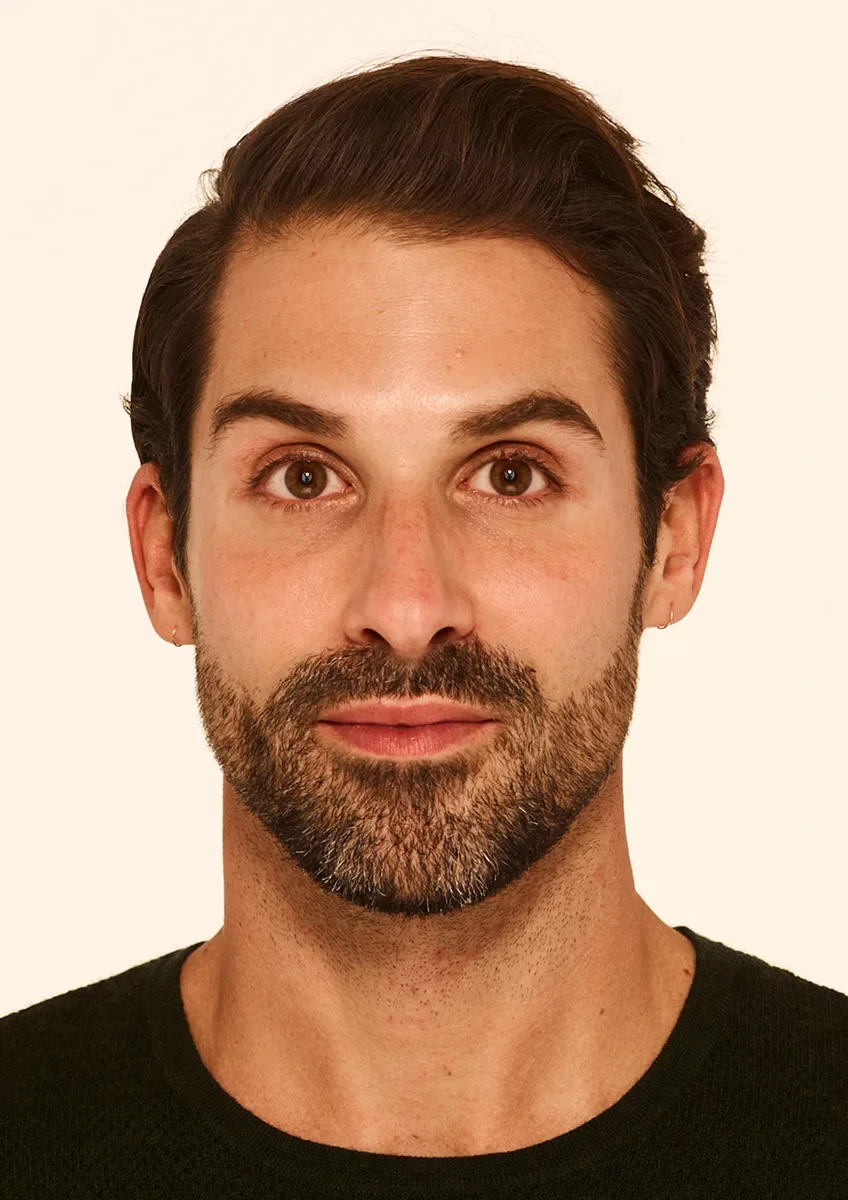
Sister-practice procedure page and source of the representative neuromodulator before-and-after cases shown on this page.